
Feature
In Geneva, on 10 November 2026, Christie’s sold a pink diamond unseen for more than 70 years: its price says nothing about the stone in your ring.
By Anaïs, Operations Director14 November 2026
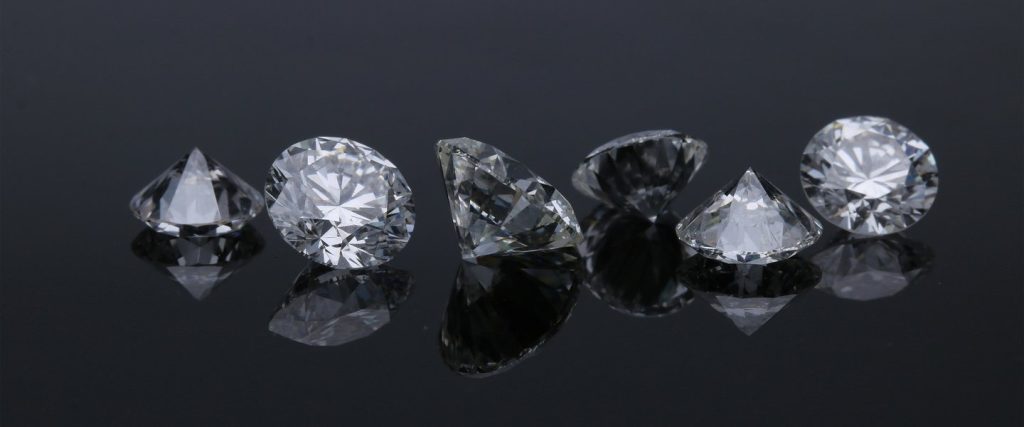
Cut diamonds: brilliant, pear, marquise. Photo Edgar Soto / Unsplash.
In November 2026 there is no public diamond price. The value of a stone is read from four criteria, the weight in carats, the colour, the clarity and the cut, from its certificate if there is one, and from the demand of the moment. The most talked-about diamond of the year, sold for CHF 12,086,000 in Geneva on 10 November 2026 according to Christie’s press release, is the exception that proves the rule: it says nothing about the price of an ordinary stone.
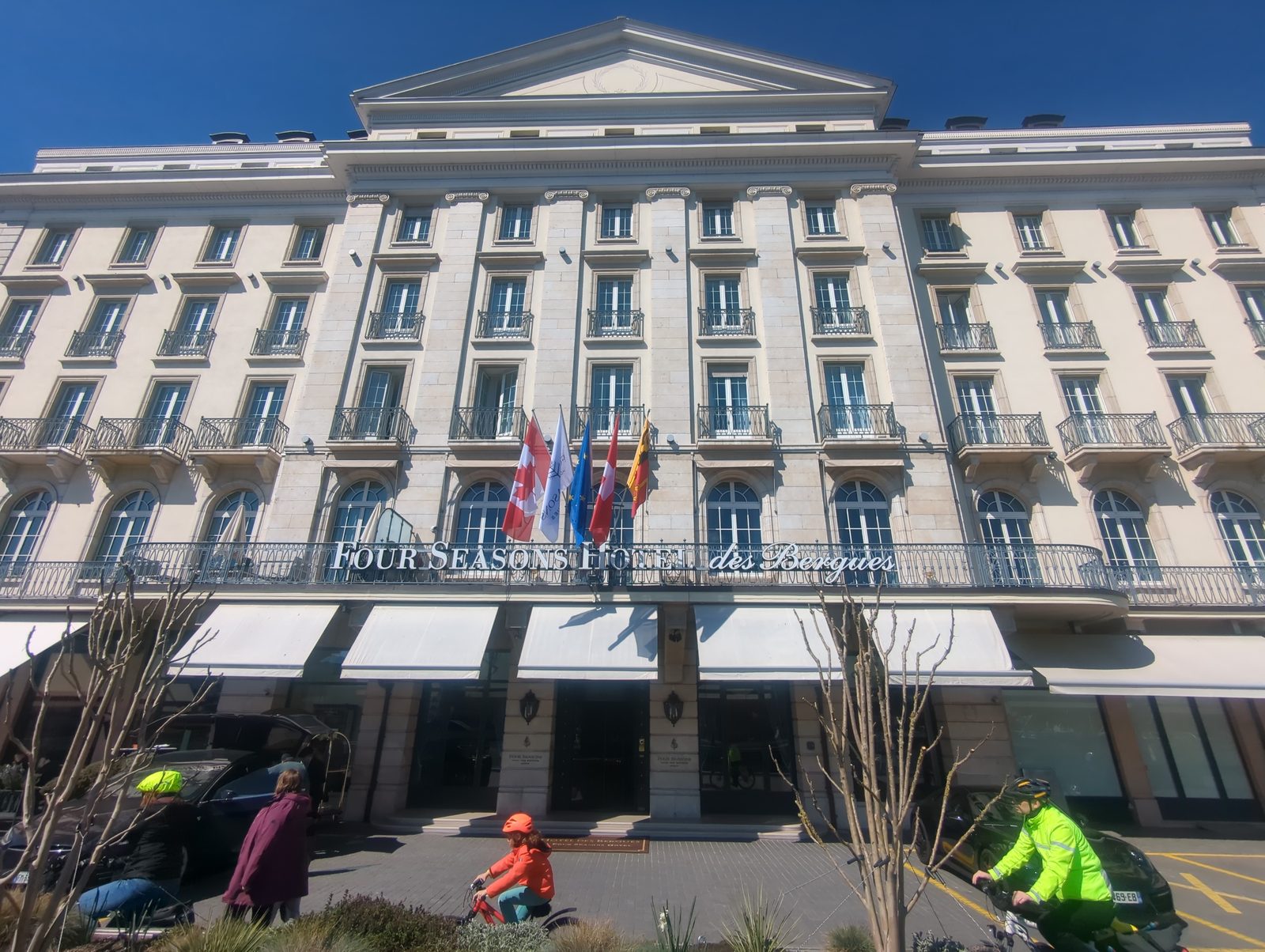
Geneva, Tuesday 10 November 2026. At the Hôtel des Bergues, Christie’s jewellery sale is drawing to a close. The auctioneer announces the final lot. A platinum ring, an emerald-cut pink diamond, flanked by tapered baguettes. The stone sells for CHF 12,086,000, or US$14,809,761 at the rate given in Christie’s press release.
The stone weighs 24.00 carats. For gemstones, a carat is a unit of weight: one fifth of a gram. Christie’s describes it as fancy intense pink, type IIa, with VVS2 clarity. To professionals, those three details read like a pedigree.
The catalogue names it « The Bulgari Pink ». Christie’s global head of jewellery called it « the Mona Lisa of pink diamonds ». It had never been offered at auction. For more than 70 years, it had lain hidden within the same family.
Its story is told in three places. India first. According to Christie’s, the stone is believed to have come from the Golconda mines, the same mines that gave the world the Koh-i-Noor and the Hope. In the 1950s, the consignor’s great-grandparents bought it there as a rough stone. Then Rome. The rough was entrusted to the Bulgari workshops, which cut it and set it. Then a jewellery box, for three generations. Finally, Geneva.
Christie’s had estimated it at between CHF 10 million and CHF 15 million. The price landed in the middle of the range, without a bidding frenzy.
Measured against its weight, the price works out at around CHF 500,000 per carat. No set of scales can explain a figure like that. History can.
The entire sale totalled CHF 41.5 million. This single lot accounts for more than a quarter of it.
The journey of the stone
1950s · India
According to Christie’s, the stone is believed to have come from the Golconda mines. The consignor’s great-grandparents bought it there as a rough stone.
Rome
The rough was entrusted to the Bulgari workshops, which cut it and set it.
Three generations
A jewellery box, for three generations. Never offered at auction.
10 November 2026 · Geneva
The final lot of Christie’s jewellery sale at the Hôtel des Bergues. Sold for CHF 12,086,000 according to Christie’s press release.
The Golconda diamonds
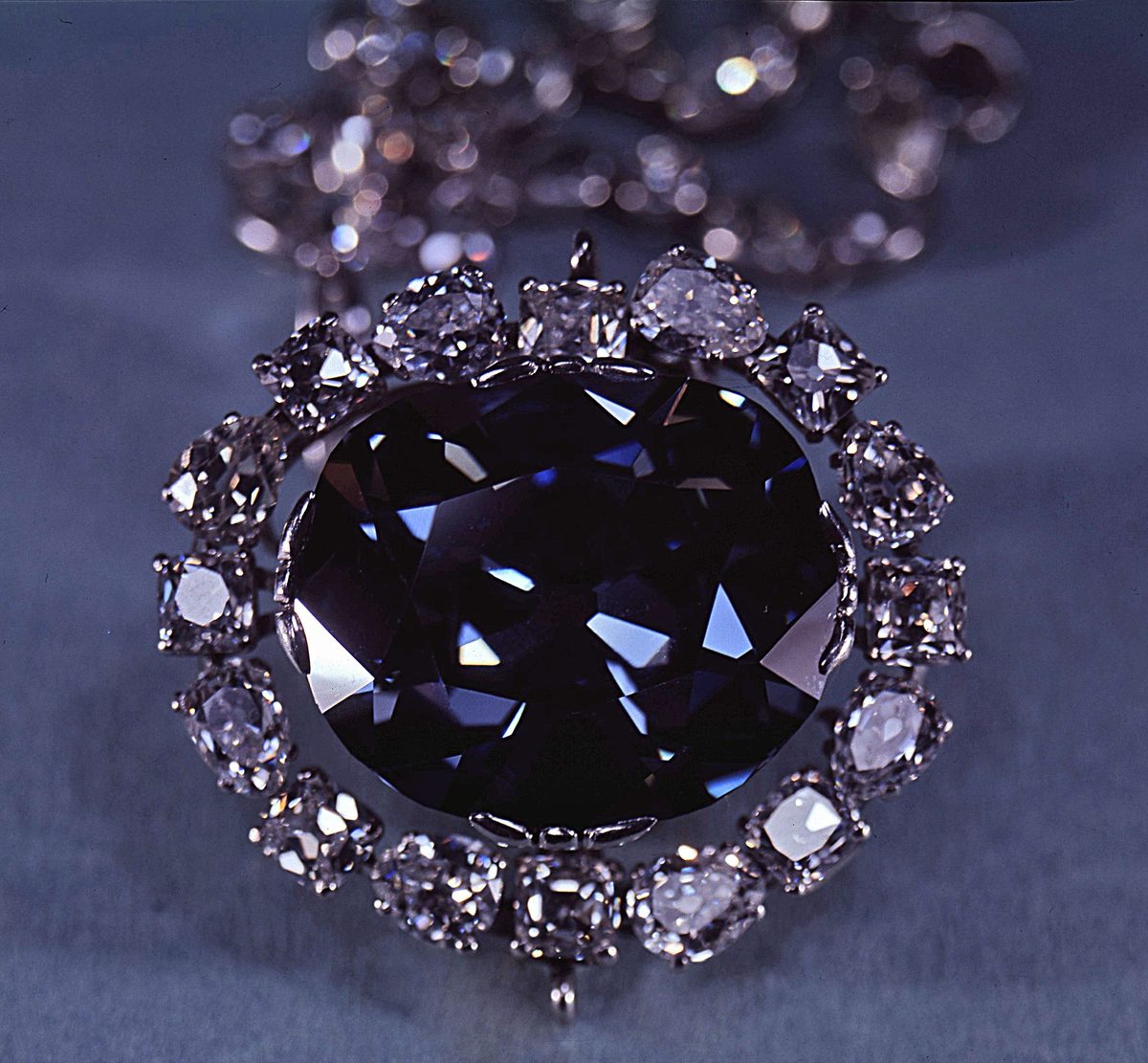
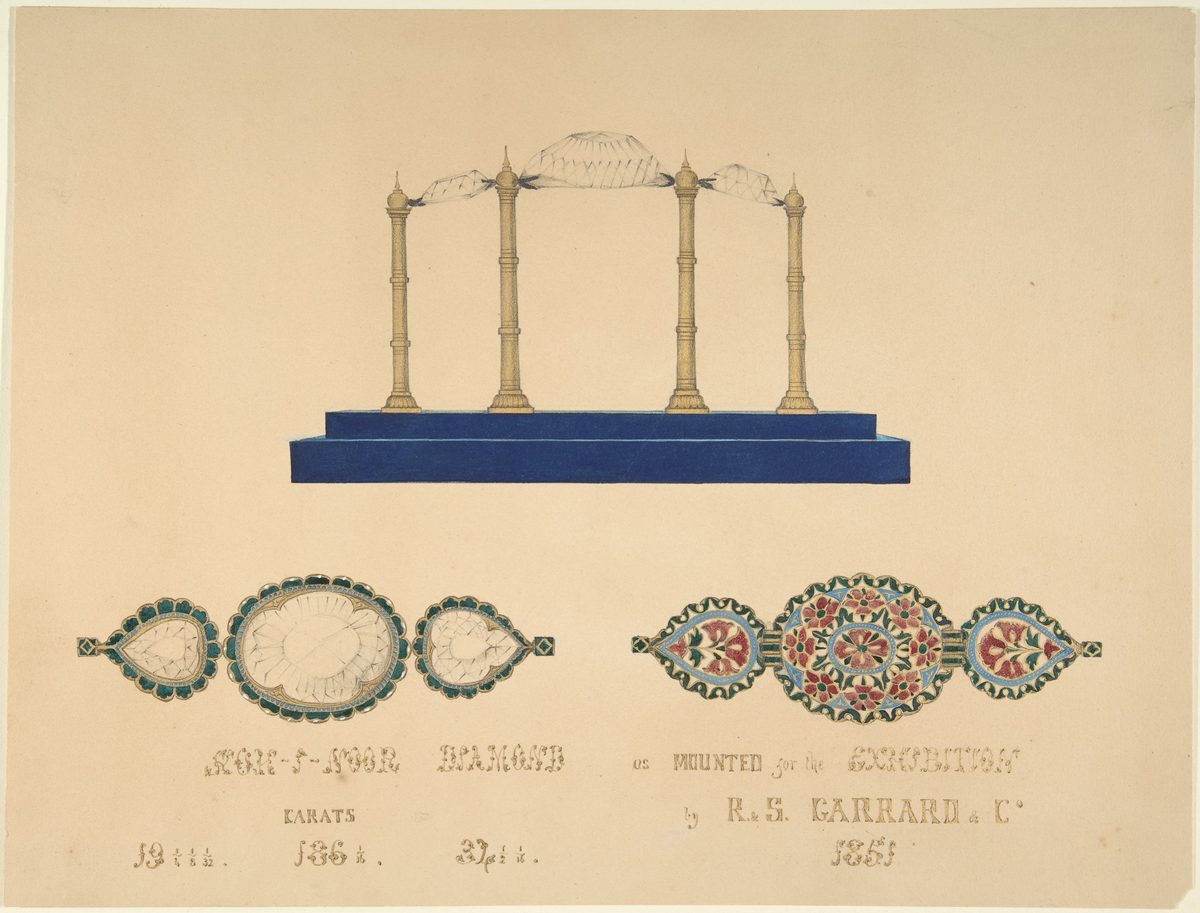
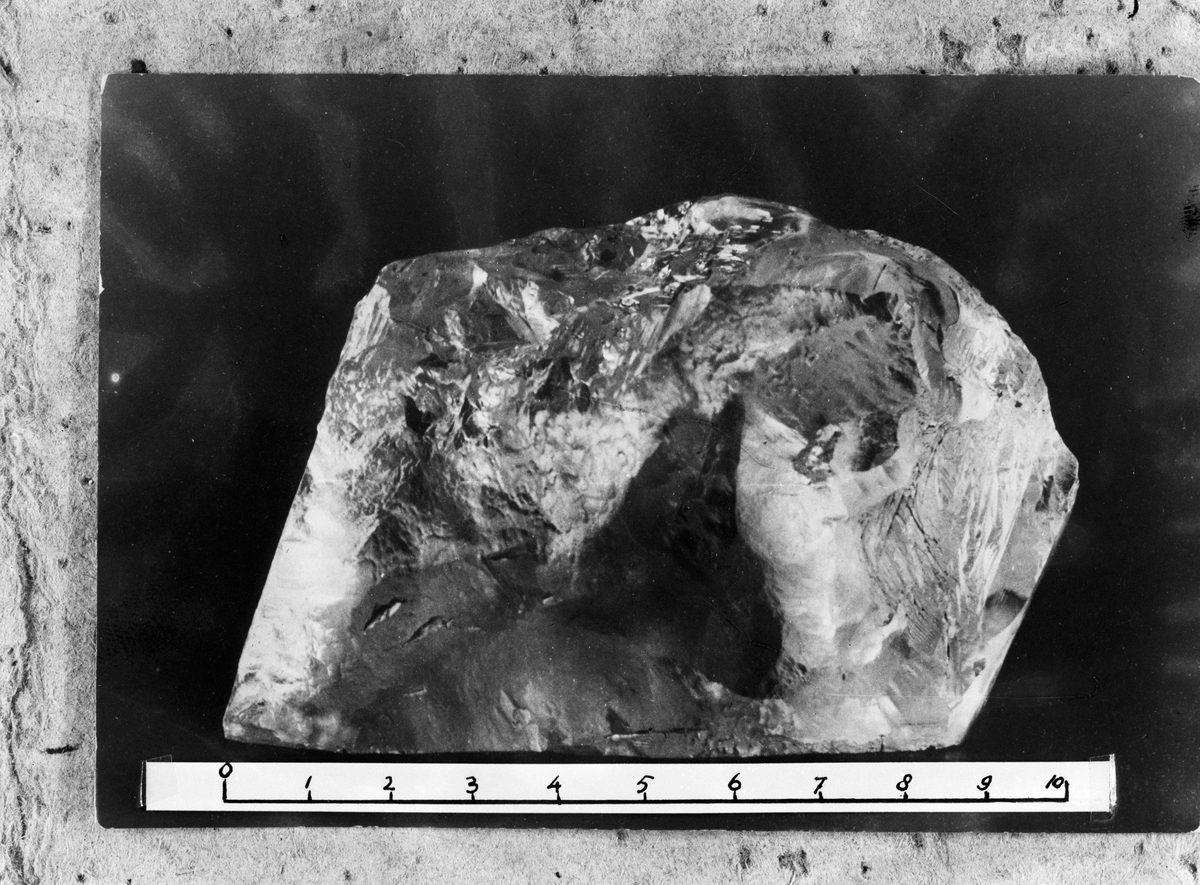
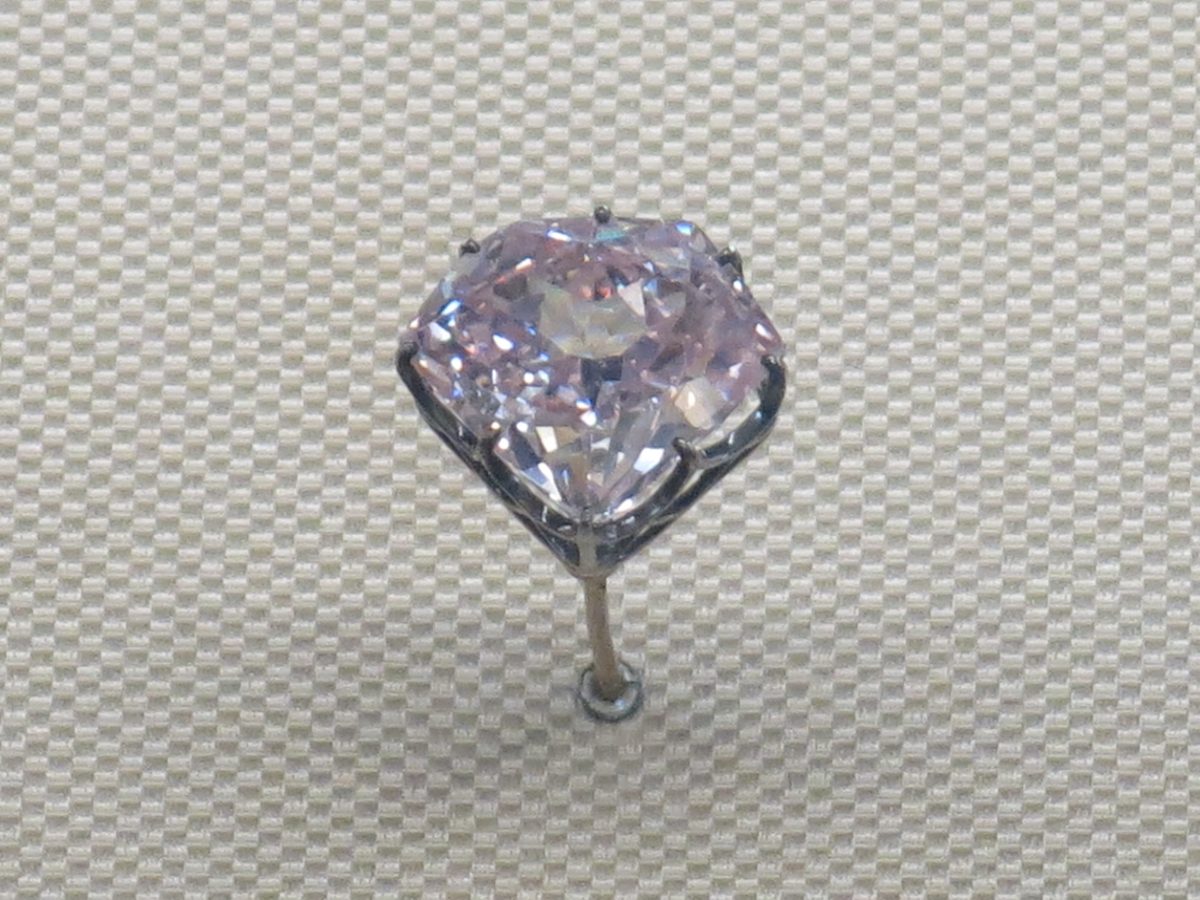
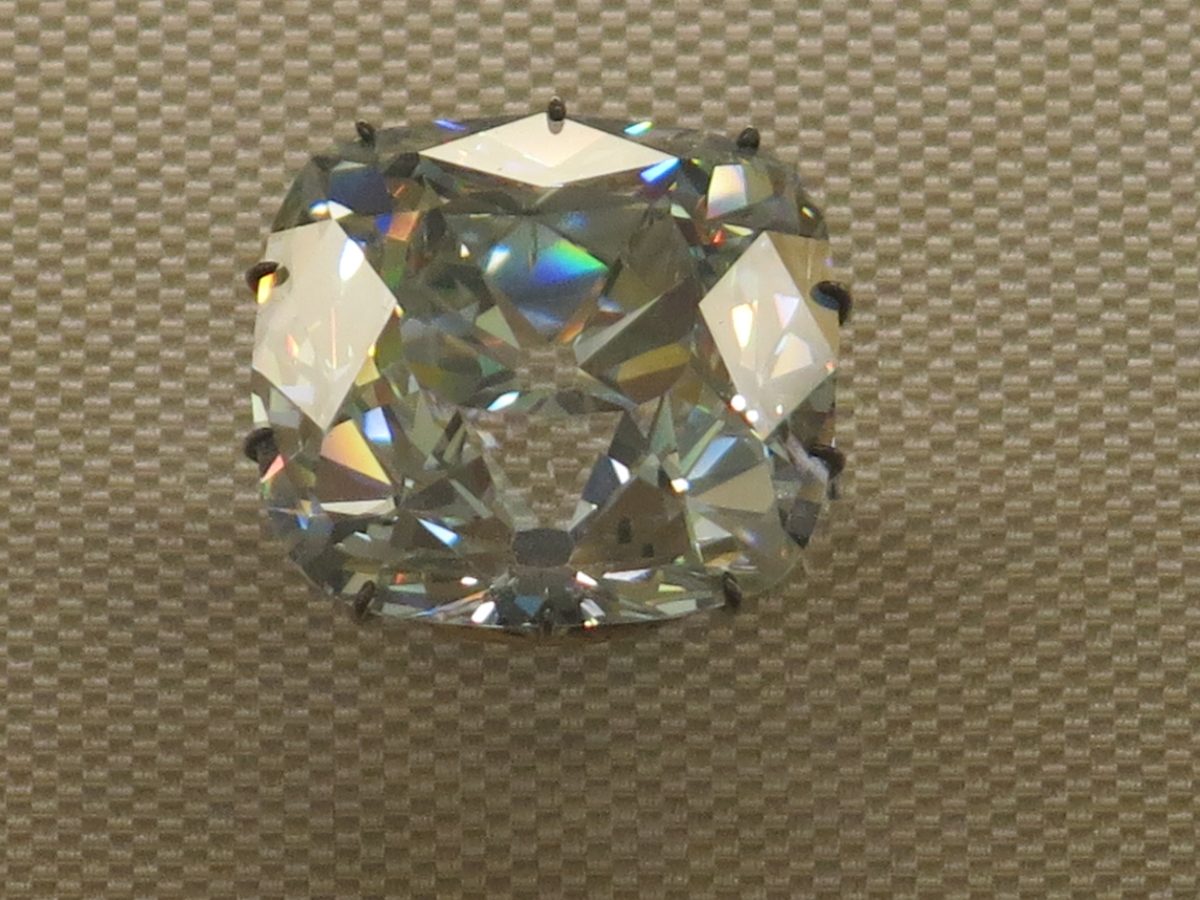
Should we conclude that diamonds are worth a fortune? No. This price is the exception that proves the rule.
Nothing comparable to the gold price, displayed every day across the world. The value of a stone depends on four criteria, a certificate and the demand of the moment. Nothing else.
What was rare in Geneva was not the diamond. First, it was the colour. Pink does not come from a pigment. It is born of tiny distortions in the crystal lattice, which very few stones display. Next, it was the origin attributed to the stone, Golconda, a name that sends paddles up in salerooms. Finally, it was the story: a Roman signature and three generations of silence.
The pink diamond record, for that matter, has not moved. It still belongs to the Pink Star, a stone of 59.60 carats sold at auction in Hong Kong in April 2017.
Its price, US$71.2 million, has not been beaten since. The most talked-about sale of 2026 did not erase 2017.
Why are diamonds so expensive when they are not rare?
Diamonds are expensive because every stage of their life adds a cost, not because the earth is short of them. Mines extract large quantities every year. Only a small share reaches gem quality. The rest goes to industry.
Then comes the cutting. The cutter sacrifices a good part of the rough to bring out the light. Then the stone passes from hand to hand: sorter, dealer, wholesaler, setter, retailer. Each one makes a living from their work. At the end of the chain, the shop window displays the sum of all those hands.
To describe a stone, professionals use four criteria. Weight, in carats. Colour, from perfectly colourless to slightly yellow tints. Clarity, according to the inclusions visible under a loupe. Cut, meaning the work of the cutter. An independent grading institute records these four criteria in a certificate.
To set a price, they rely on the pricing reference that serves as a common language for diamond professionals in every trading centre in the world. That reference is not public and fixes nothing. It provides a basis for discussion, category by category. So diamonds have no market price. They have prices, negotiated stone by stone.
Demand, finally, rests on a solid tradition: the engagement ring. That is what supports prices, not scarcity.
Why are diamonds worthless now?
Diamonds are not worthless. A diamond sells for less at resale because the jewellery price and the buy-back price do not measure the same thing. The first pays for a stone that has been cut, set, displayed in a shop window and guaranteed by a retailer, with VAT included. The second pays for a loose stone that is going back into the trade.
It is nobody’s fault. Every link in the chain added its share, from the cutter to the state, and none of those shares comes back with the stone.
Whoever buys the stone back will sell it on to another professional. So they pay the trade price, not the shop-window price. And they pay for the stone for what it is: its weight, its colour, its clarity, its cut. The box and the memories weigh nothing. A great signature is the exception, as in Geneva.
Two details matter a great deal. Below a certain weight, professionals buy small stones by the parcel, not individually. And a stone graded by an independent institute is negotiated on known terms. Without a certificate, the buyer has to check everything themselves, with caution.
Is there such a thing as a diamond price per gram?
No, and that is the whole point. Gold has a public world price. It is set every day, published everywhere, and read in euros per gram. A piece of gold jewellery is weighed, its hallmark is read, and the calculation takes a few seconds. That is why we display the gold buy-back price per gram, and never a diamond price.
Diamonds are not sold that way. Weight is only one criterion out of four. Two stones of the same weight can sell for prices that bear no comparison, depending on colour, clarity and cut. A diamond price per gram, or per kilo, would therefore make no sense.
The word carat adds to the confusion. For gold, it states the purity of the metal, as in 18 carat gold. For a stone, it states the weight. Five carats make one gram.
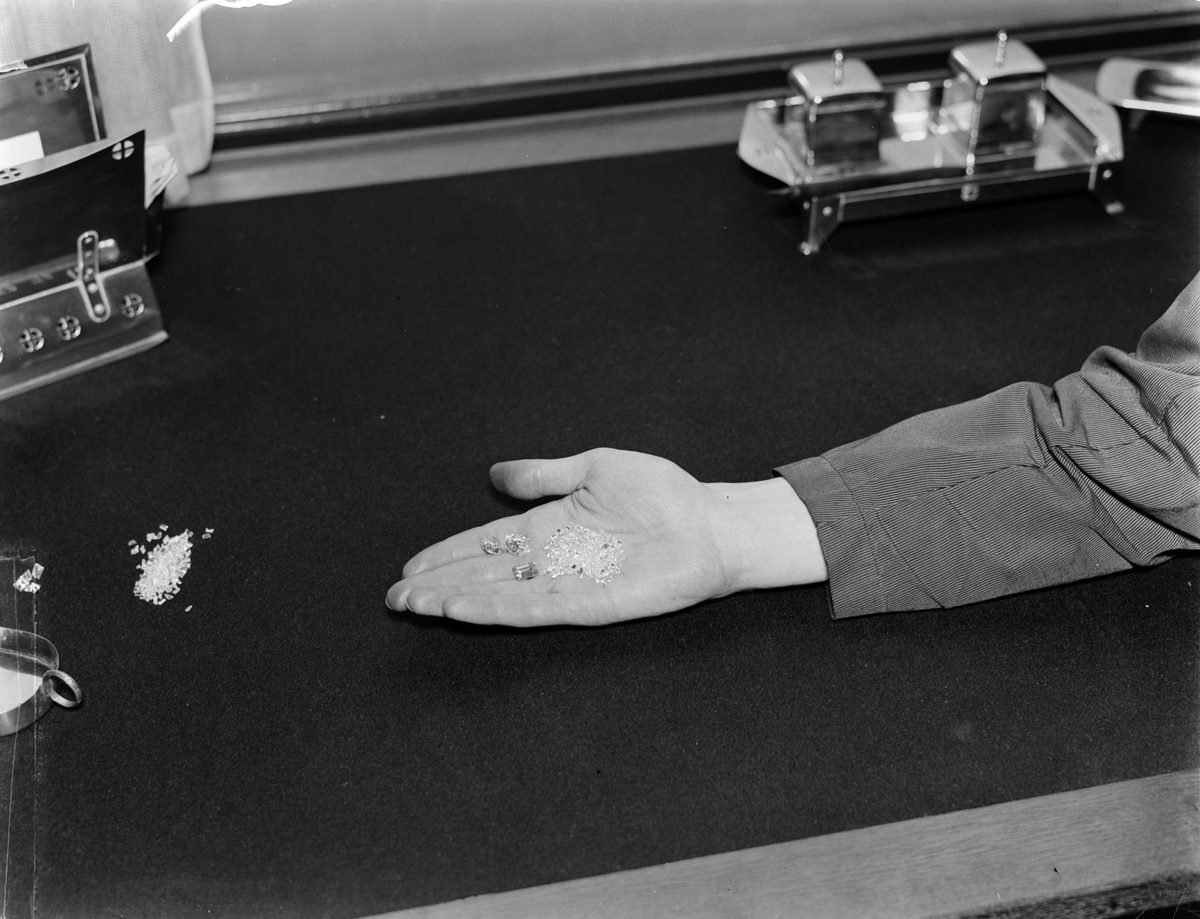
So there is no price for an anonymous gem. On the scales, the difference is plain to see: on one side, a weight and a market price; on the other, a weight and a list of questions.
A diamond price per gram, or per kilo, would therefore make no sense.
Do lab grown diamonds hold their value?
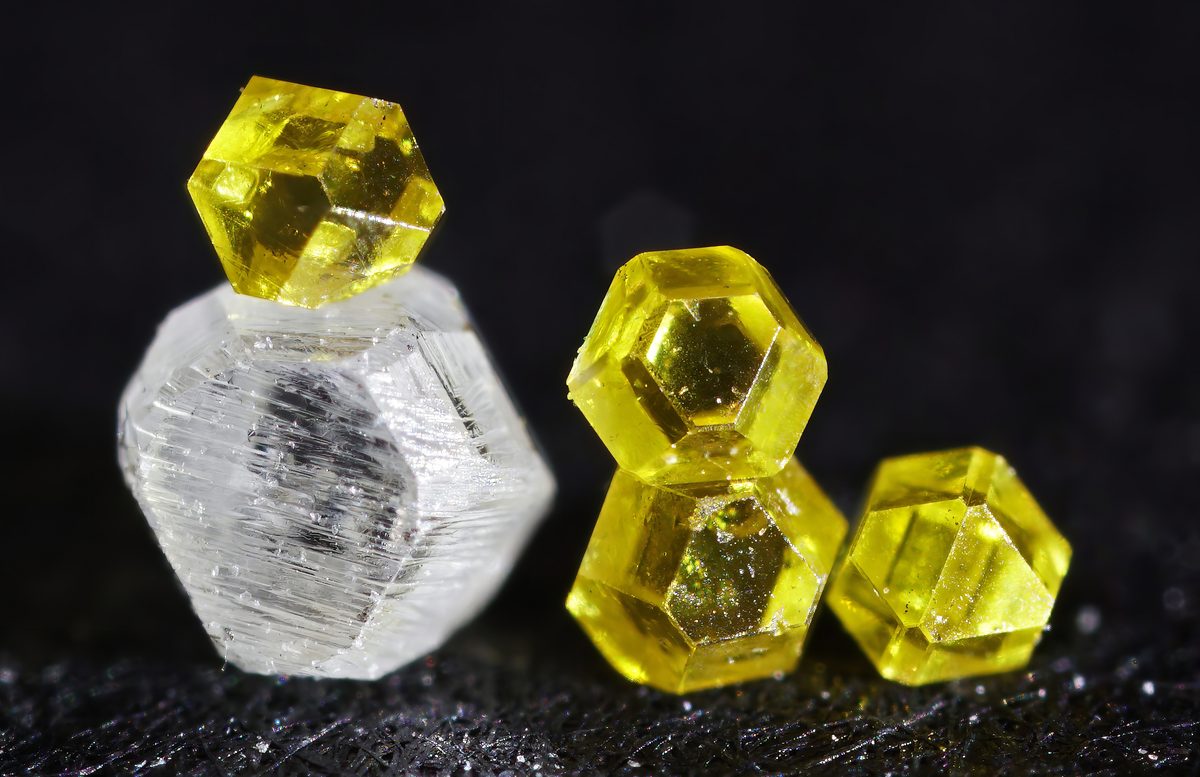
Lab-grown diamonds hold very little of their value. Natural diamonds hold theirs far better. Yet the lab-grown stone is not a fake. It is diamond, crystallised carbon, with the same hardness and the same brilliance. The difference lies in the way it reaches the market.
A lab-grown diamond grows in a few weeks in a reactor. It costs less and less to produce. Its selling price has fallen sharply in a few years. Supply has no limit.
A natural diamond formed deep inside the earth, a very long time ago. The quantity left to be mined is finite. An organised world trade has been buying and reselling it for generations.
At resale, the difference is clear. The trade takes back a certified natural diamond on terms that every professional knows. It rarely takes back a lab-grown diamond, and then for very little.
To the eye, the two are indistinguishable. At our agency, we tell them apart with the latest generation of detection instruments. The certificate, for its part, spells out the origin in full: natural or laboratory-grown.
What this means for you
The stone in your ring is not the Bulgari Pink. Its value nonetheless follows the same rules. Four criteria, a certificate if there is one, and the demand of the moment. The price paid long ago and the memories it carries do not show on the scales.
Gold and diamonds are not sold in the same way. Gold has a public market price. Gold & Silver Company (GSC) is a refinery accredited by the Royal Mint of Belgium. We weigh the gold, we read the hallmark and we pay for it by the gram, at the day’s price. Diamonds have no market price. So we look at them under the loupe, one stone at a time.
When a piece of gold jewellery carries a stone, and when the handling allows it to be preserved, we remove it in front of you and hand it back to you. This practice is a standard we created, and we apply it at our agency. The gold is paid for as gold. The stone, if it has a trade value, is the subject of a separate offer.
The first step is done remotely. You describe the piece to us, you attach photos and the certificate if there is one. We tell you whether the stone justifies an appointment. We give no price remotely, because a stone cannot be valued from a photo.
The expertise at our agency is free of charge and without obligation. You leave with a clear opinion on the stone, an offer for the gold, and time to decide. Everything takes place in Dottignies (Mouscron), a few kilometres from the French border. The details of the process are on our jewellery and diamonds page.
In Geneva, the Mona Lisa of pink diamonds will not go back into a box. The ring « will be given as a gift, and it will be worn », said Christie’s global head of jewellery. Coloured diamonds of legendary origin form a market apart. The stone in your ring plays in another category. Its rules are simpler: a loupe, a set of scales, a certificate.
Frequently asked questions
How can you tell if a diamond is real?
With the naked eye, even a trained one, you cannot settle the question. The tests found online, the fog test, the glass of water, the newspaper read through the stone, sometimes rule out a crude imitation. They say nothing about a well-made modern imitation, nor about a lab-grown diamond, which is a real diamond. Only an examination with instruments gives a reliable answer. The certificate of an independent grading institute, if it comes with the stone, confirms its origin and describes its four criteria. Bring your stone to our agency: the expertise is free of charge and without obligation, and it is done in front of you. The process is detailed on our jewellery and diamonds page.
Where can I sell a diamond in Belgium?
Gold & Silver Company buys jewellery and stones at the agency of its refinery in Dottignies (Mouscron), a few kilometres from the French border. The first step is done remotely, by email: the number of pieces, the weight in carats if known, distinguishing features, certificates or photographs. We tell you whether the stone deserves an appointment, without ever giving a price from a photo. At the agency, the expertise is free of charge and without obligation. The stone is examined in front of you, removed in front of you when the handling allows it to be preserved if the piece is sold for its gold, and the gold is paid at the day’s price. You leave with a clear offer, or with your jewellery. Get in touch today, and first read how a sale at our agency works.
How much is a 1 carat diamond worth?
There is no single price for a one-carat diamond. Weight is only one criterion out of four. Two one-carat stones can sell for prices that bear no comparison, depending on colour, clarity and the quality of the cut. Origin matters too: a natural diamond and a lab-grown diamond of the same weight do not have the same market. The certificate, finally, changes the conversation, because it describes the stone in the language that all professionals share. A price quoted without seeing the stone therefore makes no sense. Have yours examined at our agency, where the expertise is free of charge and without obligation, and first browse our FAQ to prepare your visit.
Are diamonds a good investment compared with gold?
We do not give investment advice. We can describe the difference. Gold has a public world price, set every day and known to all. It can be resold immediately, by the gram, at a price you can check before walking into our agency. Diamonds have no market price. They are resold to the trade, at the trade price, after examination, and it sometimes takes time to find the buyer. Exceptions exist, as in Geneva: coloured stones, large weights, famous origins and signatures. They form a market apart, reserved for very few stones. To find out what gold is worth today, check today’s buy-back price.
Image credits
| Image | Caption | Credit | Licence |
|---|---|---|---|
| hero-diamants-tailles.jpg | Cut diamonds: brilliant, pear, marquise. | Photo Edgar Soto / Unsplash | Unsplash License |
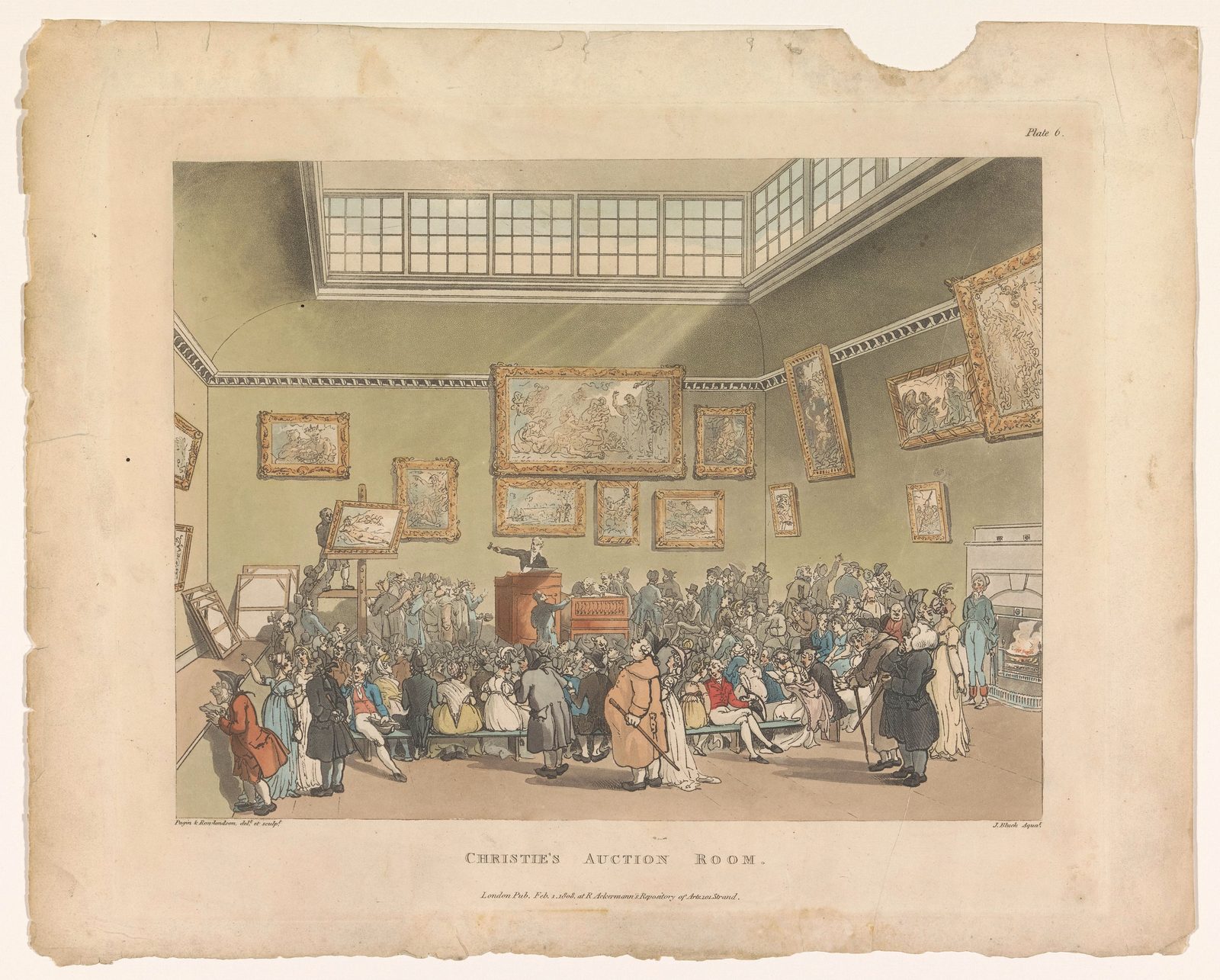
| gravure-salle-ventes-1808.jpg | Christie’s auction room in London, engraving, 1808. | Rijksmuseum, CC0 | CC0 |
| geneve-hotel-des-bergues.jpg | The Four Seasons Hôtel des Bergues, Geneva, venue of the sale of 10 November 2026, photographed on another day. | Photo Cd-MaN83, Wikimedia Commons, CC0 | CC0 |
| diamant-rose-hortensia.jpg | The Hortensia pink diamond, 21.32 carats, from the collection of Louis XIV, Louvre Museum. This is not the Bulgari Pink. | Photo Tangopaso, Wikimedia Commons, public domain | PD |
| diamant-regent.jpg | The Regent, around 140 carats, a Golconda diamond, Galerie d’Apollon, Louvre Museum. | Photo Tangopaso, Wikimedia Commons, public domain | PD |
| hope-diamond-1974.jpg | The Hope Diamond, 45.52 carats, a Golconda diamond, photographed in 1974. | Smithsonian Institution Archives, public domain | PD |
| koh-i-noor-dessin-1851.jpg | Drawing of the Koh-i-Noor setting, 1851. | Garrard, The Metropolitan Museum of Art, CC0 | CC0 |
| diamant-brut-1932.jpg | Rough diamond, Amsterdam, 1932. | Photo Willem van de Poll, Nationaal Archief, CC0 | CC0 |
| diamants-tailles-1932.jpg | Cut diamonds displayed on a set of precision scales, Amsterdam, 1932. | Photo Willem van de Poll, Nationaal Archief, CC0 | CC0 |
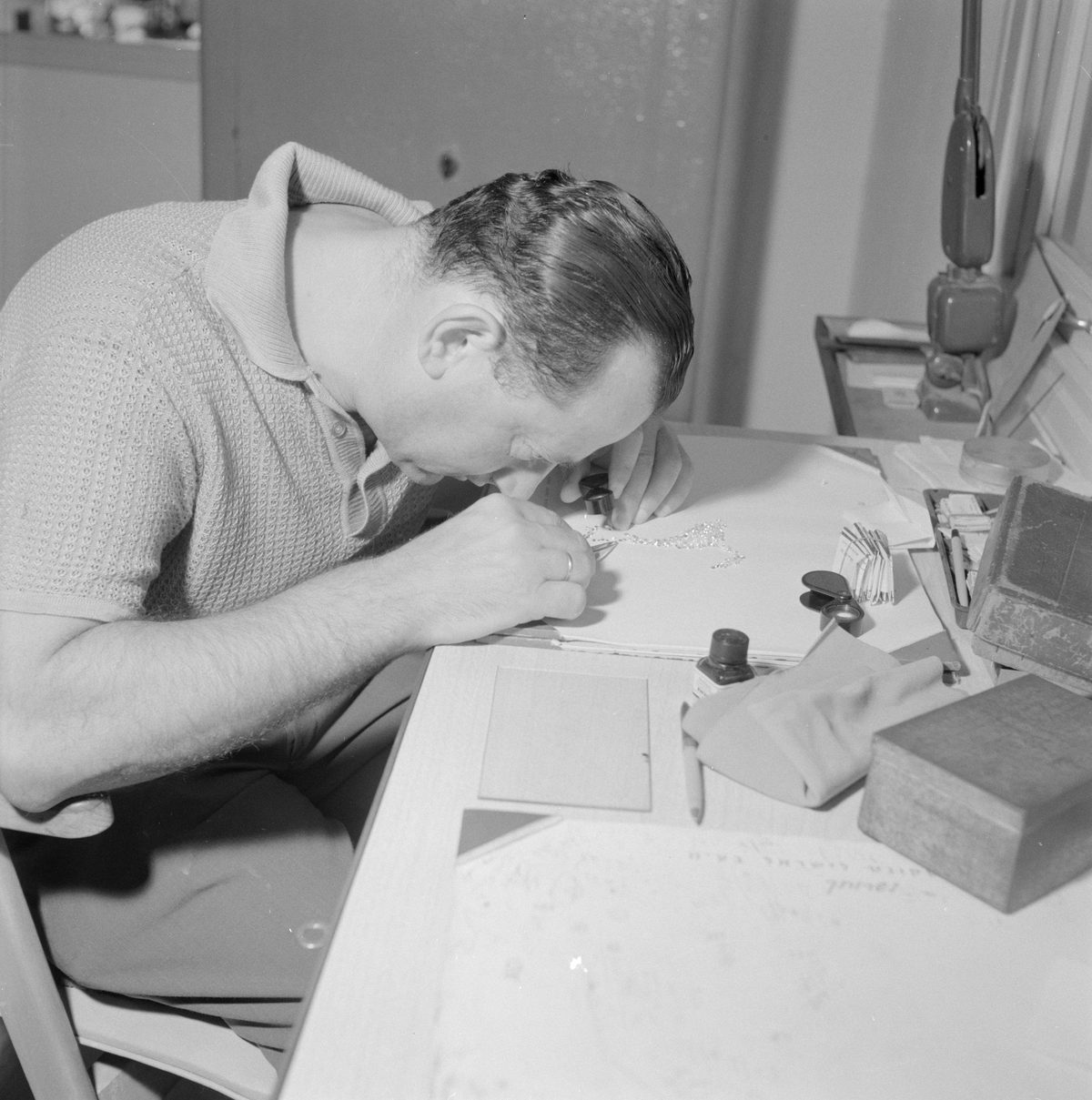
| diamantaire-loupe-1964.jpg | Diamond dealer with a loupe, 1964. | Photo Willem van de Poll, Nationaal Archief, CC0 | CC0 |
| diamants-synthetiques-hpht.jpg | Synthetic diamonds produced under high pressure and high temperature. | Photo Bilovitskiy, Wikimedia Commons, CC BY 4.0 | CC BY 4.0 |
| loupe-gemmologue-pierres.jpg | Gemmologist’s loupe over white stones. | Photo Plato Terentev / Pexels | Pexels License |
Video: Christie’s (official YouTube channel).
Article closed on 14 November 2026.
By Anaïs, Operations Director