
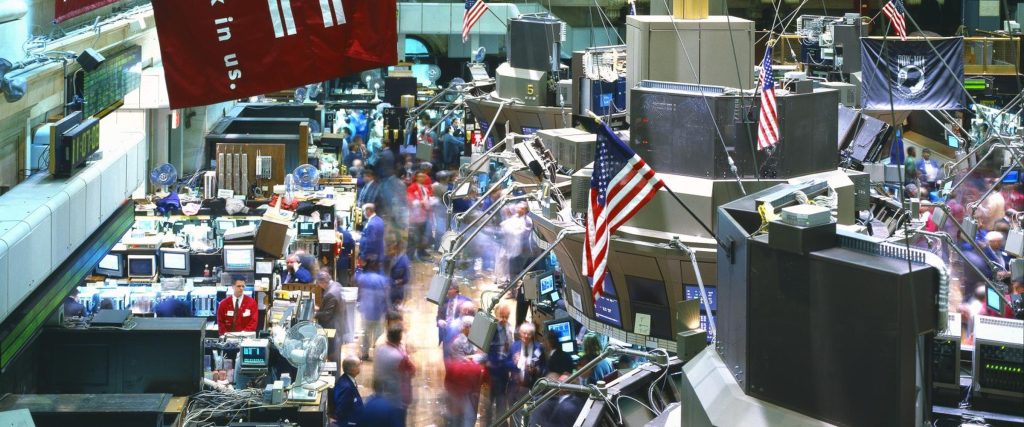
On Thursday 5 November, about $3,000 billion in market capitalization evaporated from S&P 500 companies, Wall Street’s worst session in 19 months. From Friday 30 October to Friday 6 November in the morning, the ounce of gold moved from a one-year low to a weekly gain of about 5.9%, its best performance since late August: the safe-haven reflex played out session after session, with dates and prices to back it up.
From 30 October to Thursday morning, the ounce leaves $3,869.85
$3,869.85 an ounce: on Friday 30 October, gold touches a one-year low.
Silver slips below $50 an ounce, a first in 11 months.
October was the worst month for precious metals since the 2008 crisis. Gold gave up 6.8% over the month.
On Monday 2 November, oil plunges more than 6%. It is the third day of Iran-Qatar talks aimed at ending the US-Israel/Iran war. The previous night, limited US strikes targeted Qeshm Island. Gold rebounds about 1.7%, toward $3,942.
On Tuesday 3 November, the US midterm elections deliver a Democratic wave. Both chambers of Congress flip. Gold holds around $3,920 to $3,930.
321 tonnes of gold: that is what central banks bought in the third quarter, according to the World Gold Council report published the same day, up 42% year on year, the highest quarterly figure since late 2024.
675 tonnes have been accumulated since January, up 6%. China leads the buyers with 63 tonnes, ahead of Poland with 40 tonnes.
3.4%: on Wednesday 4 November, gold posts its strongest daily gain since 19 August and moves back above $4,000, around $4,061. The dollar falls to its lowest since 30 September. US Treasury yields, the interest rate Washington pays on its debt, touch their lowest in almost two months.
Brent drops below $100 for the first time since early October, down 9% on the week. Silver gains 4.6%, to $50.06.
86,000 private-sector jobs were created in October in the United States according to the ADP survey, against a consensus of 67,000.
$4,146.63: on the morning of Thursday 5 November, US time, gold marks its highest since 20 October. At 2:14 p.m. GMT, the metal is up 1.57%, around $4,123.
Silver trades at $53.34, up 2.1%.
Thursday 5 November: $3,000 billion disappears from the S&P 500
The US session, European evening, is Wall Street’s worst in 19 months, since the « Liberation Day » of April 2025.
4.36%: that is the S&P 500’s drop, the index of large listed American companies, to 7,353.73 points. About $3,000 billion evaporates from the index’s companies.
5.52%: the Nasdaq Composite falls to 24,315 points. The index enters « correction », the market word for a drop of 10% below a record, here the one from 6 October.
6.36%: the Nasdaq 100 posts its worst session since 2020. About $2,300 billion in market capitalization evaporates from that index.
3.44%: the Dow Jones loses 1,833 points, to 51,523.06.
The day before, Wednesday, had been the S&P 500’s best session in three months. The Dow had then gained 1,500 points.
The Democratic wave revives fears of regulation of data centers, the facilities that host artificial intelligence computing, and of AI itself. The sector was already doubting the profitability of its investments.
Semiconductors: −12.2% in Philadelphia, Asia follows suit
12.2%: the Philadelphia semiconductor index takes the second-worst fall in its history. Nvidia drops about 9 to 10%. AMD sheds 17%.
Overnight from the 5th to the 6th of November, the shockwave reaches Asia. The Nikkei opens down 7%. It closes around −5.9%. South Korea and Taiwan shed 8%.
1.4%: Nasdaq futures, the contracts that quote the index outside trading hours, attempt that rebound. Those same contracts are down 16.6% from their October high, 5,250 points in 23 sessions.
Gold: +5.9% on the week, best score since late August
On the morning of Friday 6 November, gold consolidates between $4,050 and $4,105, after the $4,146.63 peak marked the day before. It remains up about 5.9% on the week.
Silver trades around $52. The 10-year US bond yield sits around 4.82 to 4.84%.
$5,586 an ounce: that is gold’s all-time record, set on 29 January 2026. Friday morning’s price stands about $1,500 below that peak.
Payrolls at 2:30 p.m., CPI on the 10th, Fed on 8 and 9 December
Friday 6 November at 2:30 p.m. Paris time, the monthly US jobs report for October is on the calendar. These non-farm payrolls carry a consensus of 65,000 positions. The expected unemployment rate is 4.2%. Wages are expected up 0.3% on the month.
29,000: that was the previous report. Jobless claims fell to 189,000, a 57-year low. Third-quarter productivity came out at +3.6%.
On Tuesday 10 November, US inflation, measured by the consumer price index (CPI), is in turn on the calendar.
On 8 and 9 December, the Fed is due to hold its monetary policy meeting. Markets are pricing a 66 to 71% chance of a rate increase. The scenario priced by markets is one of tightening, not easing. Two Fed officials argued on Thursday for « modest and steady » increases.
On Thursday 5 November, the Bank of England raised its rates, a first in more than three years. It warns that another increase is likely if the Iran conflict lasts. The ECB, through Lagarde’s voice, is reviewing indicators with a view to a possible December increase.
$4,150: Goldman Sachs lowers its end-2026 gold forecast to that level, from $4,650 previously, citing a stricter Fed. Poland announces it has reached its 700-tonne gold reserves target and says it is open to further purchases.
On Thursday, Wall Street lost $3,000 billion in one session. The same week, gold posted its best performance since late August.